The whiskey family tree gets confusing fast.
Walk into a bourbon bar for the first time and it can feel a little like everyone else got a study guide you somehow missed.
Bourbon. Whiskey. Scotch. Rye. Tennessee whiskey. Irish whiskey. Japanese whisky. Suddenly someone’s talking about mash bills and peat while you’re just trying to figure out what actually tastes good.
The good news? It’s much simpler than it sounds.
At the end of the day, bourbon, Scotch, and rye are all types of whiskey, they just have different ingredients, rules, and flavor profiles that make each one unique. Remember, all bourbons are whiskey, but not all whiskeys are bourbon.
Here’s a beginner-friendly breakdown of what separates them (and what you should try first).
First Things First: Whiskey Is the Umbrella
Think of whiskey like the family name.
Bourbon, Scotch, rye, Irish whiskey, Japanese whisky, and Tennessee whiskey all fall under the whiskey category. In general, whiskey is a distilled spirit made from fermented grain and aged in wooden barrels.
The differences usually come down to:
- what grain is used
- where it’s made
- how it’s aged
- and the production rules behind it
That’s why two whiskeys can taste completely different even though they technically belong to the same family.
So What Makes Bourbon… Bourbon?
Bourbon is America’s native spirit, and yes, Kentucky absolutely dominates the bourbon world, but bourbon can technically be made anywhere in the United States per an act of Congress in 1964.
To legally be called bourbon, it has to follow a few important rules:
- Made in the United States
- At least 51% corn in the mash bill
- Aged in brand-new charred oak barrels
- Distilled to no more than 160 proof
- Entered into the barrel at no more than 125 proof
- No artificial flavors or colors added
That high corn content is a big reason bourbon often tastes sweeter and smoother than other whiskeys.
Common bourbon flavor notes:
- caramel
- vanilla
- brown sugar
- oak
- baking spice
If you’re newer to whiskey, bourbon is often the easiest place to start because it tends to be approachable and slightly sweeter.

What’s the Difference Between Bourbon and Rye?
Both bourbon and rye are American whiskeys, and both are typically aged in new charred oak barrels. The biggest difference is the grain recipe.
Rye whiskey must contain at least 51% rye grain instead of corn.
That one change dramatically impacts the flavor.
Rye whiskey is often:
- spicier
- bolder
- more peppery
- slightly drier
If bourbon feels warm and dessert-like, rye tends to feel sharper and more spice-forward.
A lot of classic cocktails, like Manhattans and Old Fashioneds, were originally made with rye because the spice cuts through beautifully.
Okay… So What Exactly Is Scotch?
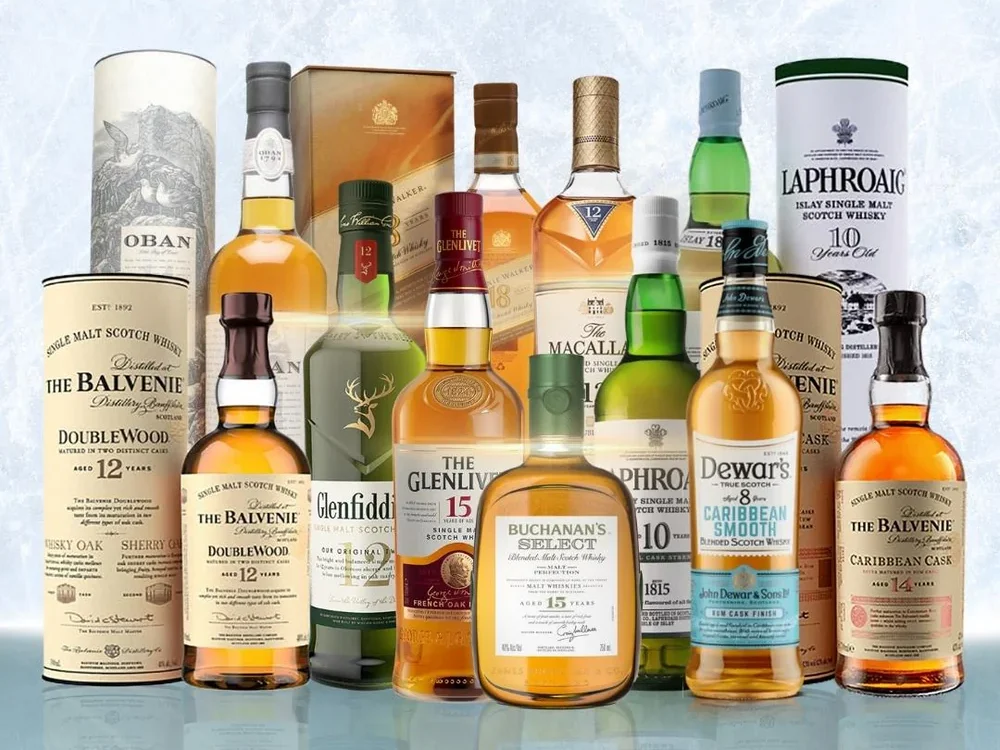
Scotch is whisky made in Scotland.
(And yes, they usually spell it “whisky” without the “e.”). The rule of thumb on spelling is that if the country has an “e” in it’s name, then an “e” will be used in whiskey…so Scotland and Japan would be “whisky.” Caveat – Maker’s Mark uses “whisky” to honor their Scottish roots.
Scotch is typically made from malted barley and aged in used oak barrels for a minimum of three years. Because they often reuse barrels that previously held bourbon, sherry, or wine, Scotch can develop incredibly layered flavors. Distilleries can use a barrel for up to 100 years!
Depending on the region and style, Scotch can taste:
- smoky
- earthy
- salty
- fruity
- malty
- rich and complex
Some Scotches, especially peated Islay Scotches, have a smoky flavor people often describe as campfire, tobacco, or even sea air. Most Scotch is made by using peat to smoke the grains before beginning the cooking process.
If you tried Scotch once and thought, “Whoa, that tastes completely different than bourbon,” you were absolutely right.
What About Tennessee Whiskey?
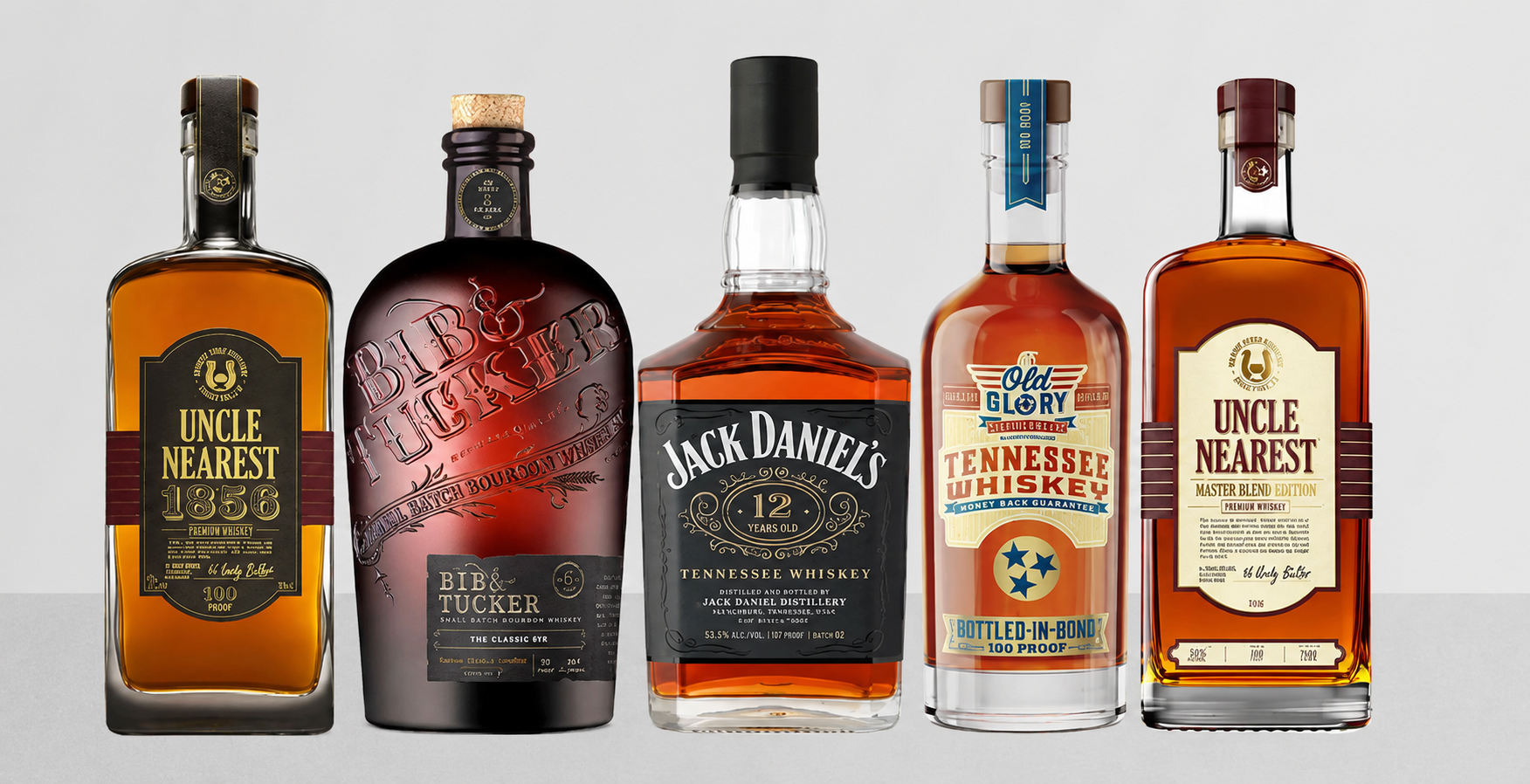
Tennessee whiskey is very similar to bourbon and follows many of the same legal requirements.
The biggest difference is an extra filtration step called the Lincoln County Process, where the whiskey is filtered through maple charcoal before aging.
This process often creates a smoother, softer flavor profile.
The most famous example is Jack Daniel’s — though there are many other Tennessee whiskey distilleries producing excellent bottles today as well.
And Irish Whiskey?
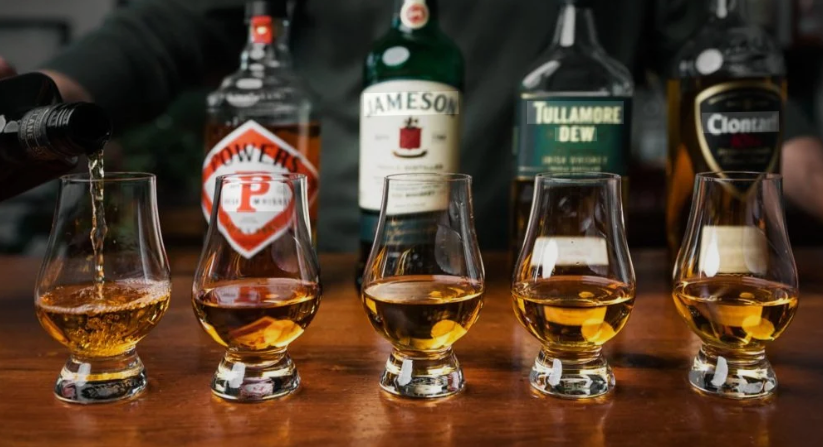
Irish whiskey is typically known for being lighter and smoother than many bourbons or Scotches.
It’s often triple distilled, which can create a softer, cleaner finish. Many Irish whiskeys skip the heavy smoke you sometimes find in Scotch, making them a popular entry point for newer whiskey drinkers.
Common tasting notes include:
- honey
- fruit
- cereal grain
- vanilla
- light spice
If smoky Scotch feels intimidating, Irish whiskey can be a great middle ground.
Wait… What About Japanese Whisky?
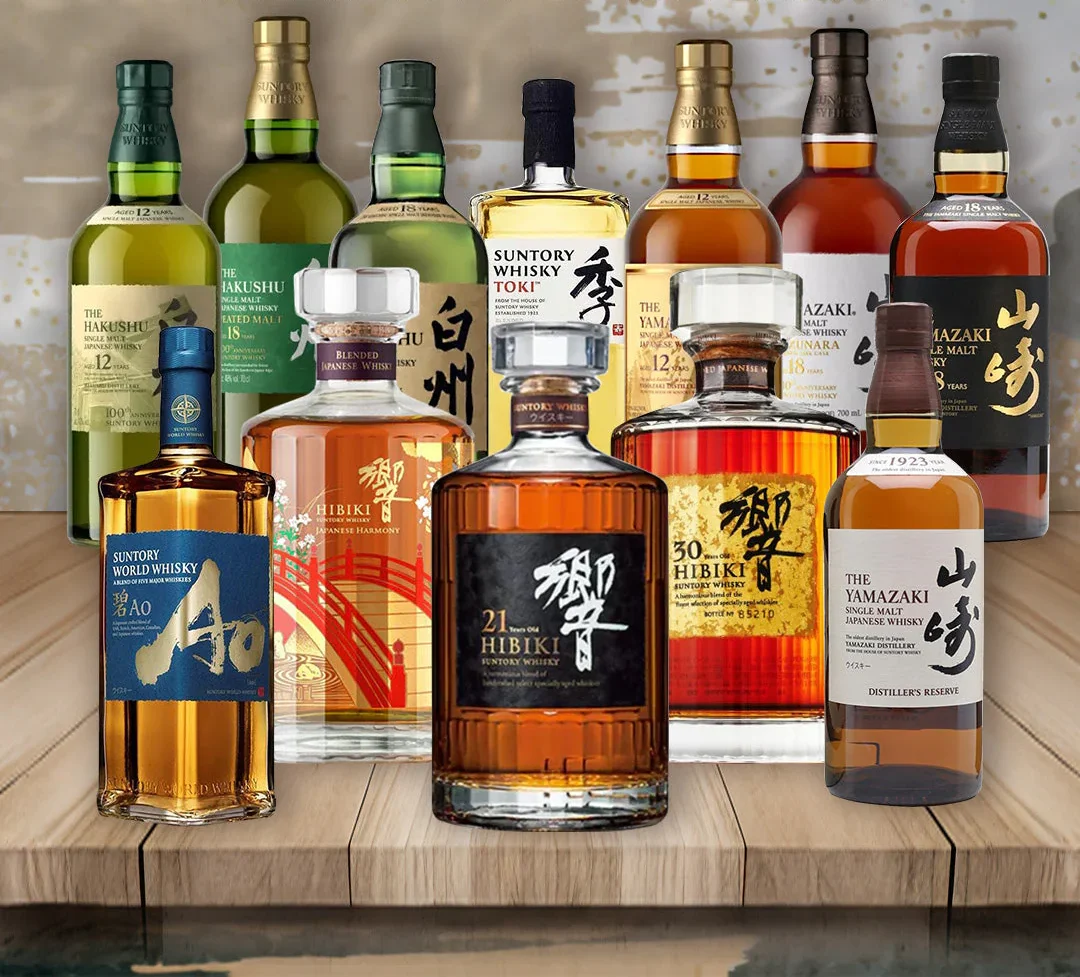
Japanese whisky has exploded in popularity over the last decade, and while it’s inspired heavily by Scotch traditions, it has developed a style all its own.
Japanese distillers often focus on precision, balance, and subtle flavors rather than big smoke or bold spice.
Common tasting notes:
- light fruit
- honey
- floral notes
- soft smoke
- delicate oak
Think less bold smoke and spice, and more balance and subtlety.
Fun fact: early Japanese whisky makers actually trained under Scottish distillers, which explains some of the similarities.
And if you suddenly find yourself ordering Japanese whisky after this… congratulations. Your whiskey journey has entered a very fun phase.
Quick Breakdown: Bourbon vs. Whiskey vs. Scotch
|
Type |
Main Grain |
Where It’s Made |
Typical Flavor |
|
Bourbon |
Corn |
United States |
Sweet, caramel, vanilla |
|
Rye |
Rye grain |
United States/Canada |
Spicy, peppery |
|
Scotch |
Malted barley |
Scotland |
Smoky, earthy, layered |
|
Irish Whisky |
Mixed grains/barley |
Ireland |
Smooth, light, approachable |
|
Japanese Whisky |
Often malted barley / blended grains |
Japan |
Balanced, light fruit, floral, subtle smoke |
So… Which One Should You Try?
Well, we’re biased, but honestly? There’s no wrong answer.
If you like sweeter cocktails or richer flavors, start with bourbon.
If you like spice and boldness, try rye.
If you enjoy smoky or complex flavors, Scotch might be your thing.
And if you’re just beginning your whiskey journey altogether, Irish whiskey is often an easy entry point.
The fun part is figuring out what you like, preferably with good company and maybe a few distillery stops along the way.
Luckily for all of us, trying different pours counts as research.

